



by Dental World
Share
by Dental World
Share
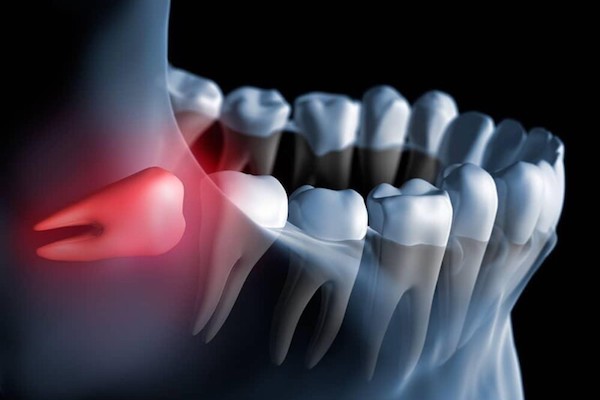
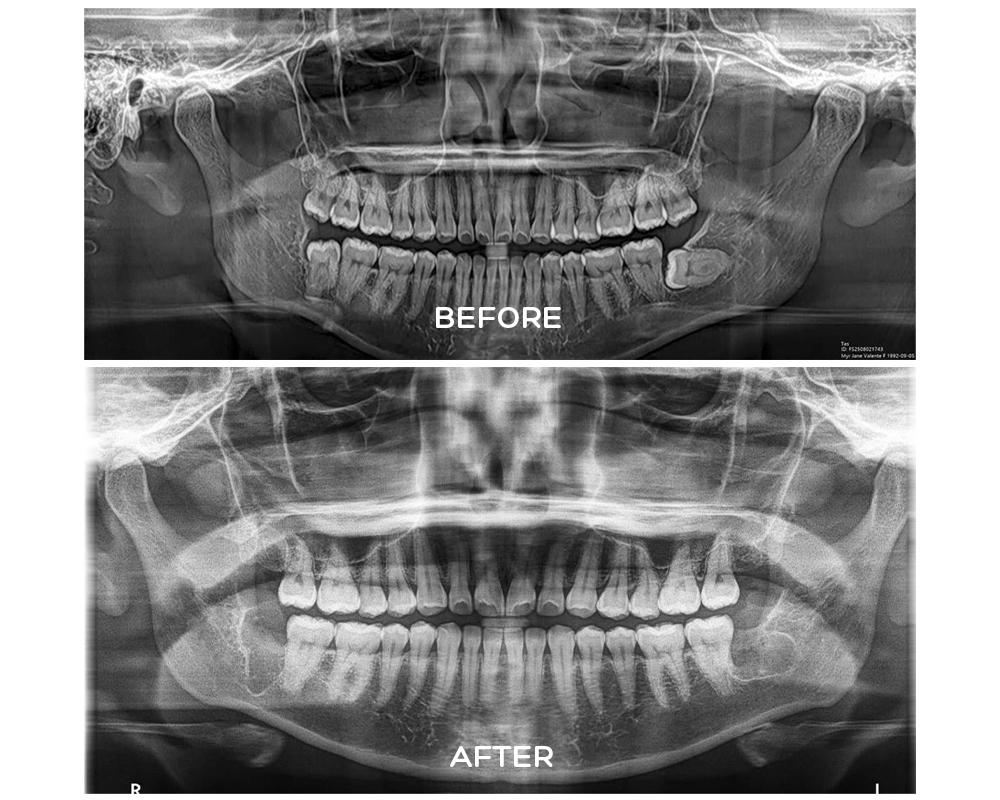
Wisdom tooth removal is a common dental procedure, especially for individuals between the ages of 17 and 25. These third molars often emerge in late adolescence or early adulthood, and while some grow in without issues, many require extraction due to pain, crowding, infection, or impaction. Understanding the process, recovery, and pricing can help you prepare both medically and financially.
Why Wisdom Teeth Often Need Removal
Wisdom teeth are the last set of molars to develop. Because modern jaws are often smaller than those of our ancestors, there may not be enough space for them to grow properly. This can lead to impaction, where the tooth becomes trapped beneath the gums or bone. Impacted teeth may cause swelling, jaw stiffness, bad breath, and even damage to nearby teeth. Dentists typically recommend removal when these complications arise or when X-rays show a high risk of future problems.
The Procedure Explained
A wisdom tooth extraction may be simple or surgical, depending on the tooth’s position. A simple extraction is performed when the tooth has fully erupted and can be removed with forceps. Surgical extraction is required if the tooth is impacted or partially erupted. In this case, the dentist or oral surgeon may need to make a small incision in the gum or remove some surrounding bone.
Local anesthesia is usually sufficient, though sedation options are available for patients who feel anxious. The procedure generally takes 20–45 minutes per tooth. Afterward, patients are advised to rest, avoid hard foods, and follow proper aftercare instructions to prevent complications such as dry socket or infection.
Recovery and Aftercare
Most patients recover within a few days, though complete healing of the gums can take one to two weeks. Swelling and mild discomfort are normal and can be managed with prescribed medication and cold compresses. Maintaining oral hygiene is essential, but brushing should be done carefully around the extraction site. Smoking, drinking through straws, and vigorous rinsing should be avoided during the first few days, as these actions may dislodge the blood clot that protects the wound.
Understanding Costs in the Philippines
One of the most common questions patients ask is about pricing. The wisdom tooth extraction cost Philippines clinics charge varies widely depending on the complexity of the procedure, clinic location, dentist expertise, and diagnostic requirements such as X-rays.
For a basic case, the 3rd molar extraction cost may be relatively affordable. However, impacted teeth requiring surgery can be significantly more expensive. If you are comparing options, you might encounter search terms like wisdom tooth extraction price or simple tooth extraction cost Manila Philippines, which usually refer to straightforward removals. Surgical cases often fall under different pricing brackets.
Patients searching for services in urban areas may look up wisdom tooth removal Manila or wisdom tooth extraction near Metro Manila, where clinics tend to offer a wide range of treatment packages. Those living in nearby districts might specifically search for wisdom tooth extraction near Quezon City to find accessible providers. Additionally, if a tooth is damaged or fractured, the broken tooth extraction cost Philippines clinics list can differ from standard wisdom tooth rates because of added complexity.
Choosing the Right Dental Clinic
Selecting a qualified dental professional is just as important as understanding the procedure itself. Look for clinics with licensed dentists, modern equipment, and transparent pricing. Reading reviews, checking credentials, and scheduling a consultation can help you assess whether a provider is trustworthy. During your visit, ask about the treatment plan, anesthesia options, total cost estimate, and post-operative care.
Final Thoughts
Wisdom tooth removal is a routine dental procedure that can prevent long-term oral health issues when performed at the right time. For young adults, early evaluation is key—dentists can monitor tooth development and recommend removal before complications occur. By understanding the procedure, recovery expectations, and cost considerations, you can approach treatment confidently and make informed decisions about your dental health.
Leave A Comment
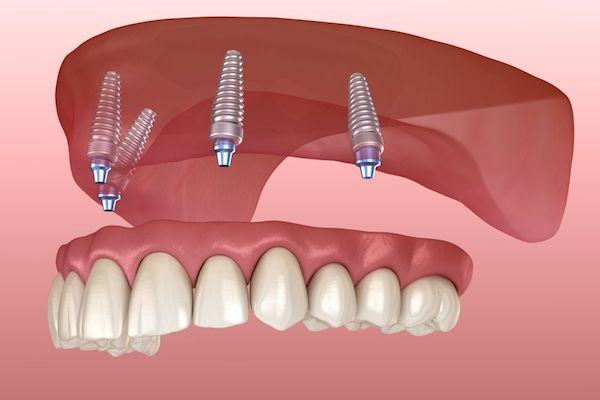
The All-on-4 treatment concept is revolutionary, offering edentulous and soon-to-be edentulous patients a full-arch restoration. Immediately loaded onto just four

Ever clench your jaw so hard it feels like it might lock up? Or experience headaches that seem to come
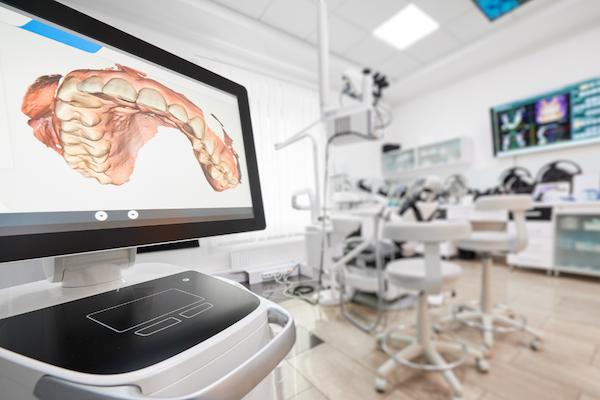
Key clinical and laboratory procedures have undergone a fundamental change as a result of new digital tools that facilitate data
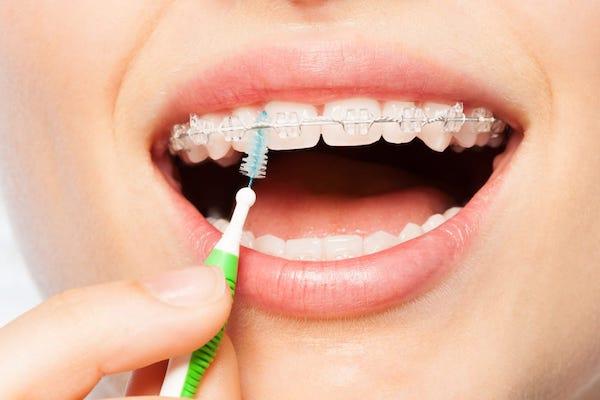
Braces are one of the top dental procedures when it comes to straightening misaligned bites, eliminating gaps between pearly whites, and